TMJ Relief: How Face Cupping and Gua Sha Support Jaw Pain Recovery
Understanding how face cupping and Gua Sha aid muscle relaxation and jaw pain relief

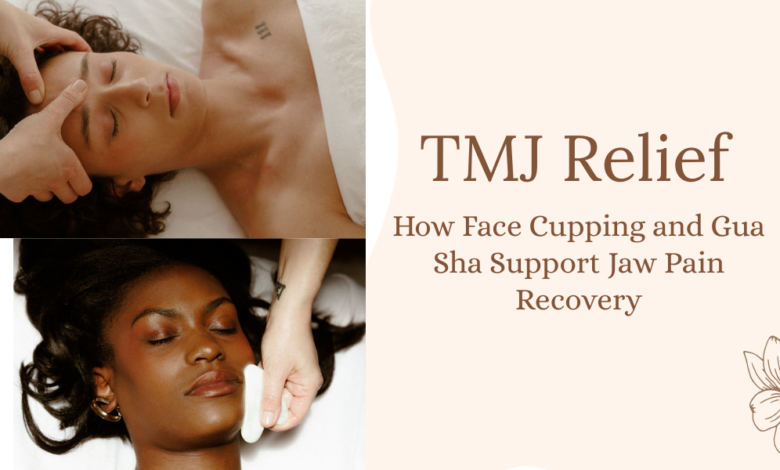
Living with jaw pain can be exhausting. Do you experience clenching, noticing clicks as you chew, or waking up with headaches? Your temporomandibular joint needs help.
The good news: At META Bodywork, expert therapists offer TMJ massage incorporating proven techniques, such as face cupping and Gua Sha. Relying on specialists always ensures better outcomes. They deploy trained, experienced therapists to deliver best-in-class spa massage services in Jersey City.
This article explores how a relaxing massage session, delivered by experts, can help you reduce pain and clenching and recover faster.
What is TMJ? Why Does it Hurt So Much?
TMJ stands for temporomandibular joint. It is the joint connecting your lower jaw to your skull. TMJ disorder affects this joint and the surrounding muscles. Common symptoms of TMJ disorder include jaw pain, limited opening, headaches, ear fullness, and clenching.
Even a minor tension in the jaw muscles and joints can be overwhelming, as we eat, talk, and express our emotions with our jaw all day. META Bodywork offers a chance for your jaw to reset through well-executed sessions to unwind this chronic tension and calm your nervous system.
What is Face Cupping? How Does it Help Relieve TMJ?
Traditional body cupping uses soft, smaller cups to create gentle suction on the areas of your body you want to target. Yet, face cupping is a more delicate version of this traditional technique.

Notably, instead of deep marks, facial cupping involves light, glide-based movements to lift your targeted tissues. These unique techniques improve circulation and release tight muscles for complete relief. Here are a few more crucial benefits of face cupping:
- Face cupping reduces facial adhesion around the cheeks, neck, and jaw.
- It decreases congestion and puffiness by supporting lymphatic drainage.
- It supports thorough relaxation of overworked facial muscles.
The treatment is deeply calming and comfortable, as facial cups don’t stay in one place on the face for long.
How Does Gua Sha Help Reduce TMJ Pain?
Gua Sha uses a smooth tool to scrape the skin gently. This technique not only improves circulation but also releases facial restrictions. It reduces facial and neck muscle tightness and supports lymphatic drainage in the area around the jaw.
As Gua Sha increases local blood flow, it helps ease musculoskeletal pain. It modulates immune responses and reduces inflammatory signals around the jaw.
How Do Expert Therapists at META Bodywork Offer a TMJ Session?
The expert therapists usually begin a TMJ-focused session with a detailed conversation with you about your symptoms, habits, and triggers, such as stress and pain in a particular part of your jaw.
Considering your experiences, the therapist conducting the TMJ massage may combine various methods to tailor the overall treatment experience to your needs and goals:
- Intra-oral or external massage to release the masseter and pterygoid muscles.
- Easing postural strain through neck and shoulder work.
- Softening superficial and deeper tension patterns through face cupping and Gua Sha.
Along with pain relief, the expert practitioners at META Bodywork also aim to make you feel grounded, safe, and truly relaxed. META Bodywork also provides a soothing environment through dim lighting and luxury linens. The expert therapists bring a spa-level relaxing massage experience to every session.
FAQs
Q 1: Is Gua Sha Safe for TMJ?
Yes. Facial Gua Sha is a noninvasive, gentle option for TMJ-related muscle pain and tension. However, please ensure you get it from an experienced practitioner.
Q 2: Does Face Cupping Leave Marks on the Face?
No. Facial cupping doesn’t leave dark circular marks associated with body cupping. Expert practitioners execute lighter suction and gliding techniques.
Q 3: How Often Should I Get TMJ Massage?
The frequency of TMJ massage sessions depends on your symptoms. You can start with weekly sessions and later reduce frequency as your pain and clenching reduce.
Q 4: Can I Do Gua Sha or Face Cupping At Home for TMJ?
You can learn simple basics for home routines. However, we recommend starting with a professional TMJ massage session from an expert.